3rd Annual Portfolio Meeting
Driving collaboration for the future of continuous healthcare
On 21–22 May 2026, the EIC Pathfinder Healthcare Continuum Portfolio convened in Porto, Portugal, for its 3rd Annual Portfolio Meeting. Hosted by i3S – Instituto de Investigação e Inovação em Saúde, the event brought together researchers, innovators, industry representatives, regulators, and European Commission stakeholders to strengthen collaboration and accelerate innovation towards a more continuous, patient-centred healthcare model.
The Healthcare Continuum Portfolio brings together nine EIC-funded projects that are developing breakthrough technologies to support a fundamental shift from episodic healthcare towards continuous monitoring, prevention, diagnosis, and personalised treatment. The annual meeting provided an opportunity to review progress, exchange knowledge, and explore pathways to maximise impact across projects.
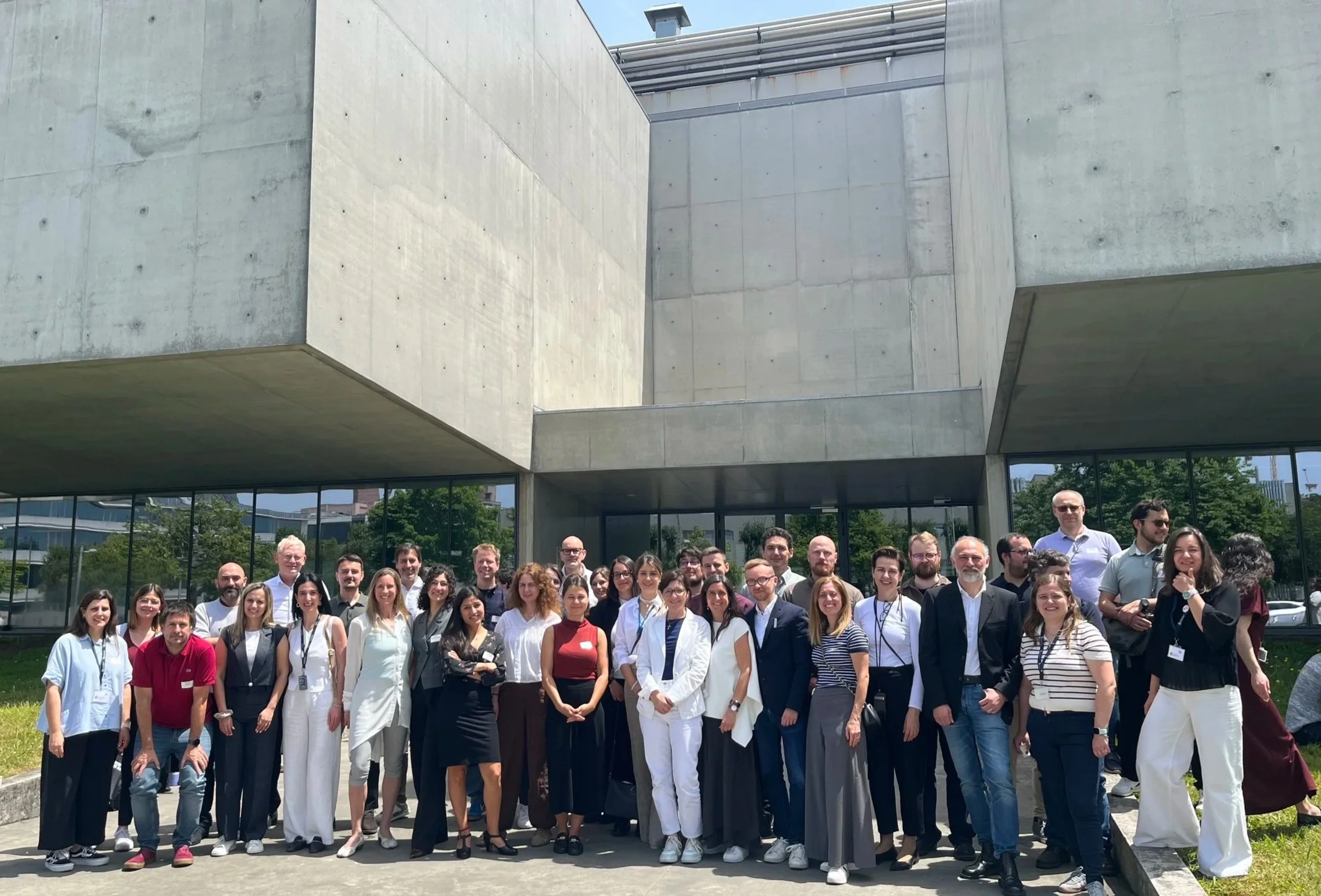
Healthcare Continuum Portfolio projects’ representatives meeting in Porto.
Strengthening connections between research and industry
The meeting opened with portfolio pitches from all nine projects, creating a shared understanding of the technologies, challenges, and opportunities being addressed across the portfolio. These presentations highlighted innovations spanning from sensing technologies to AI-driven healthcare solutions, implantables, diagnostics, and long-term monitoring systems. Beyond the networking opportunities, participants particularly appreciated the direct exposure to industry perspectives. “The experience challenged us to look beyond the scientific achievements of the project and focus more strongly on its real-world impact and implementation potential. It also provided a broader perspective on innovation beyond technology, highlighting the importance of intellectual property, patenting strategies, and freedom-to-operate considerations as key elements for transforming research results into sustainable and market-ready solutions”, says Zoe Zacharouli (VOCORDER).
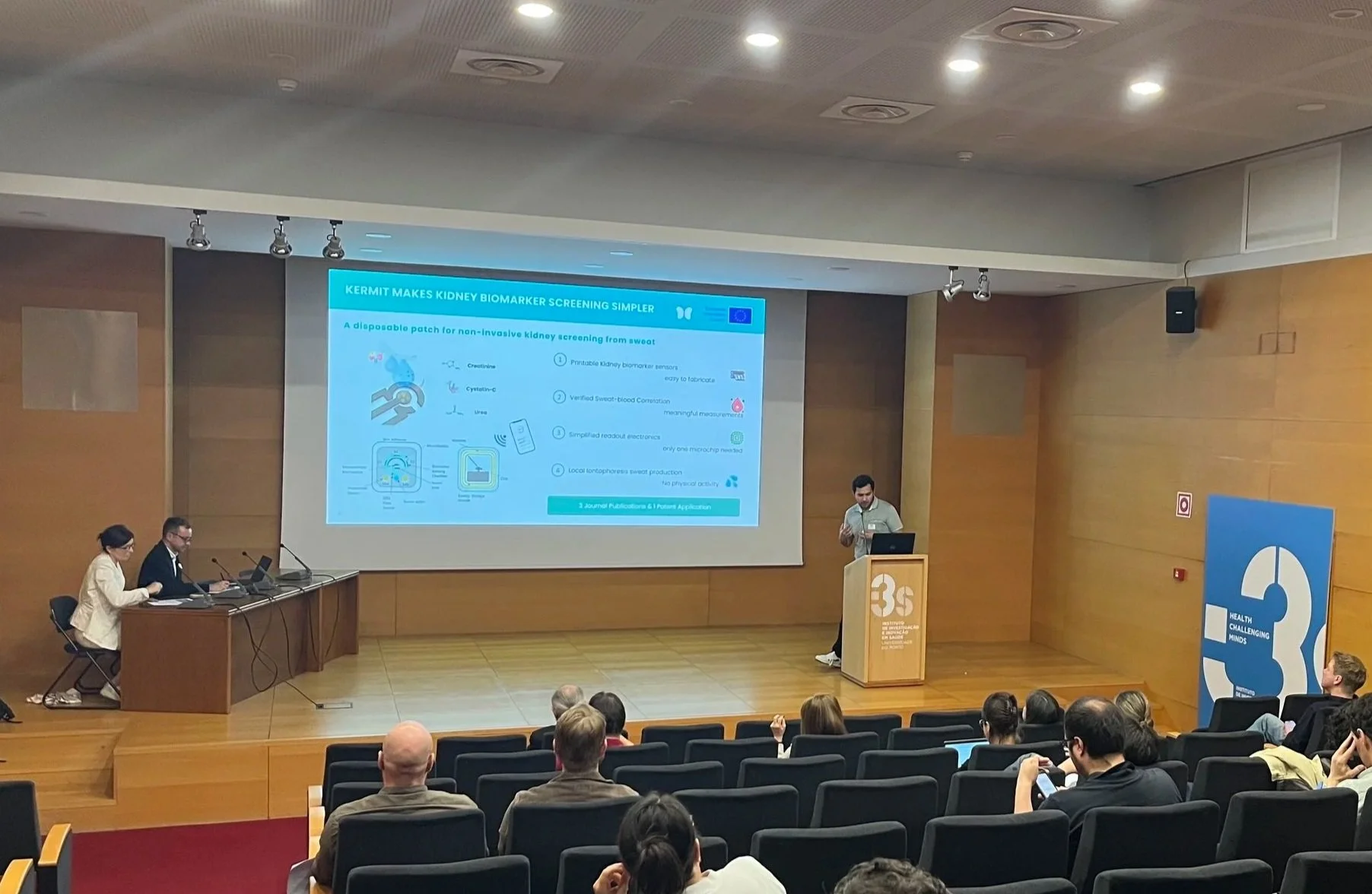
A central feature of this year’s programme was the “Reverse Pitch” session, in which industry representatives presented their own innovation needs and challenges to researchers. Nivedita Agarwal (Siemens Corporate), Karola Kaefer-Vandael (imec), Carmelida Capaldi (Chiesi Pharmaceuticals), and Margarida Baldaia (Linde) shared real-world perspectives on digital health, diagnostics, translational barriers, and future collaboration opportunities.
The discussions continued through dedicated matchmaking sessions and structured 1:1 and 1 networking meetings, designed to bridge the gap between research and industry. These sessions created valuable opportunities for initial contacts, knowledge exchange, and the identification of future co-development possibilities.
The individual meetings with stakeholders have been particularly appreciated by our project representatives. “The one-to-one industry meetings have been incredibly enlightening. Our discussion with Margarida Baldaia from Linde was highly productive and provided us with clear, practical insights that will help us a lot in shaping our next steps", said Ivan Mateljak (WOUNDSENS). “It was good to meet and talk to people from the industry to understand what their focus is concerning interest in innovations and possible investments”, says Atena Mahboubian (Breath-Sense), reflecting a shared feeling from all participants.
Exploring shared challenges and opportunities
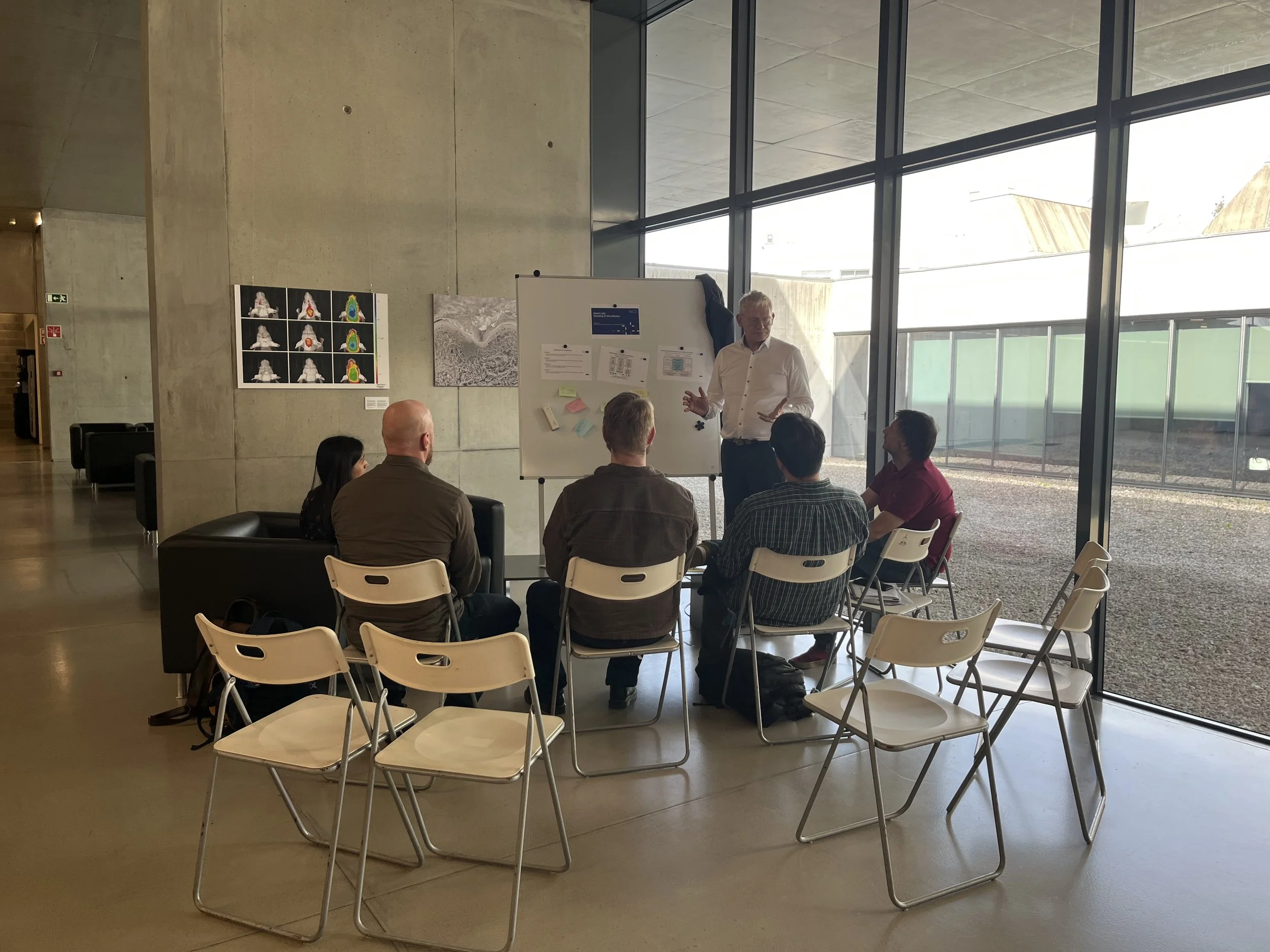
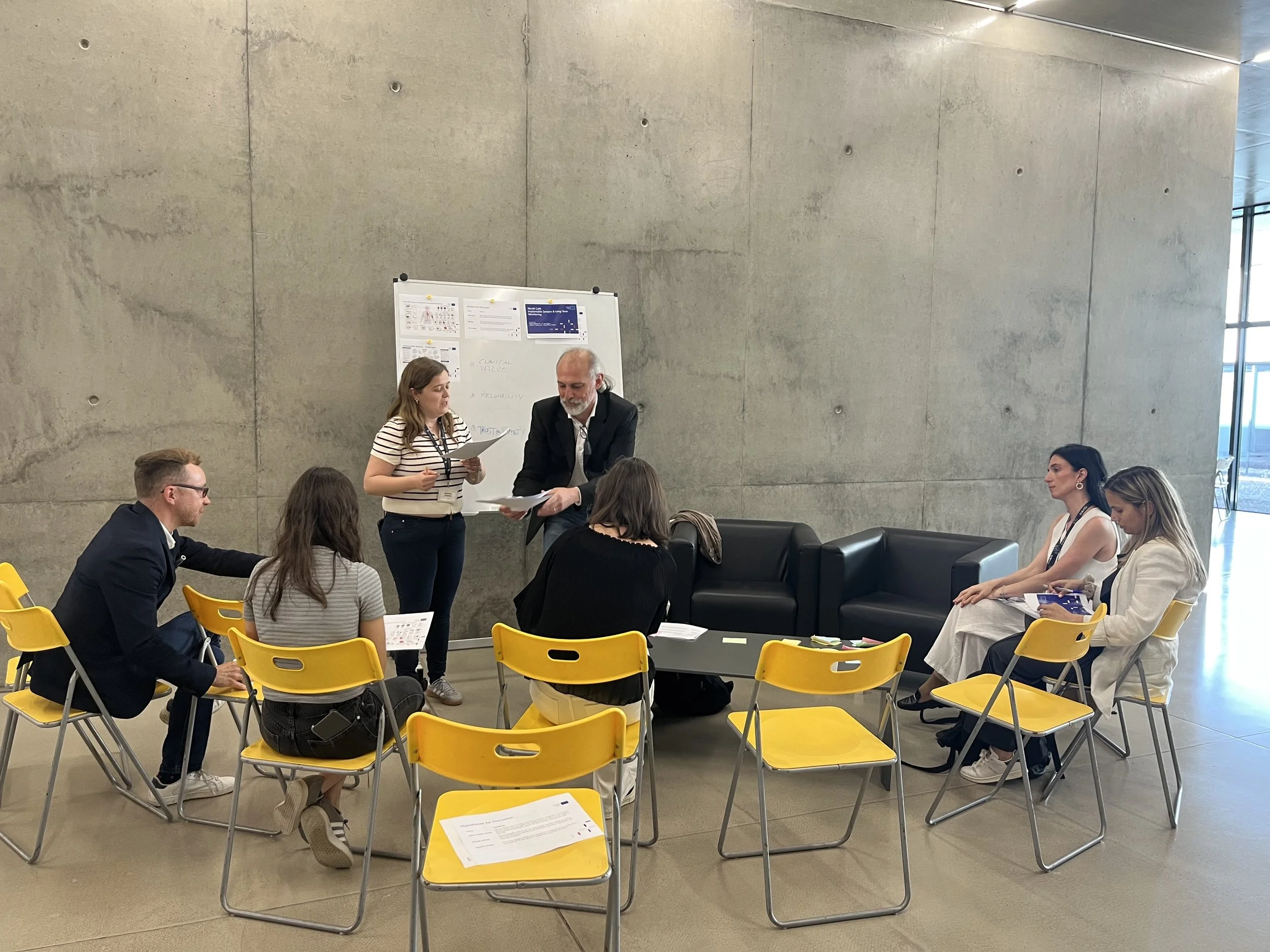
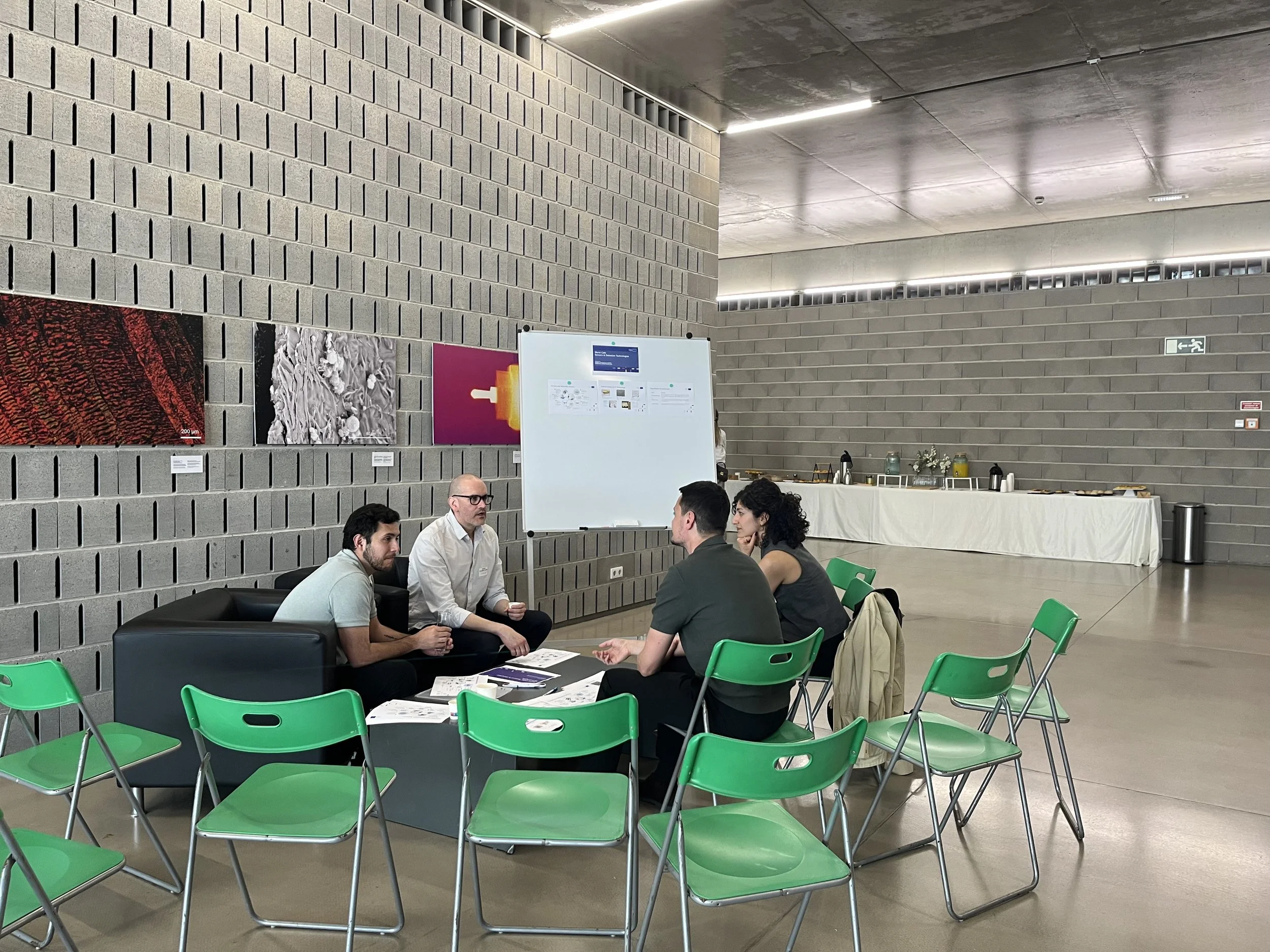
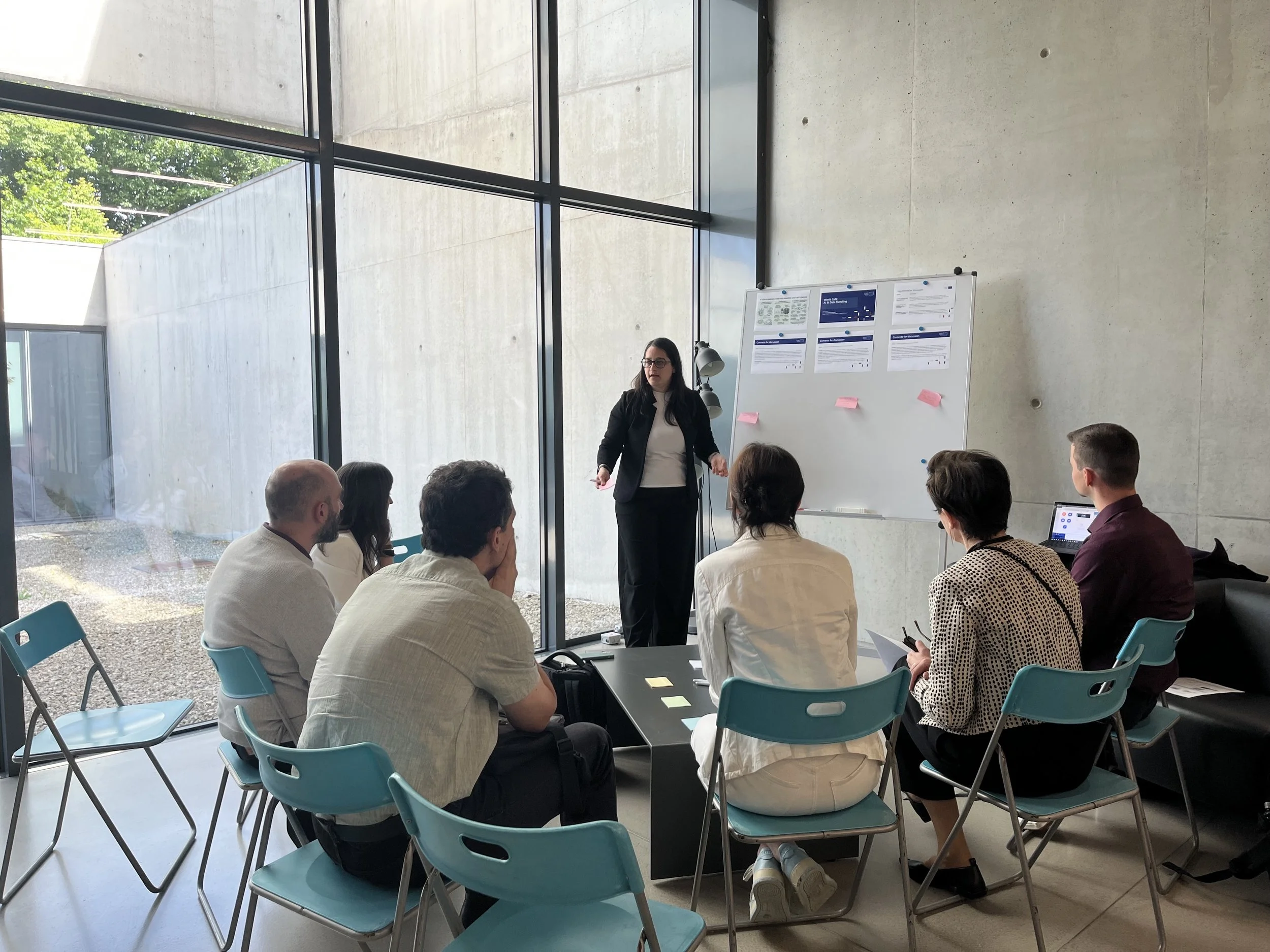
One of the highlights of the meeting was the interactive World Café session, designed to stimulate cross-project collaboration around key technological and translational themes. Promoted by Martin Richter, this interactive session allowed participants to brainstorm across four strategic themes: Sensors and Detection Technologies, AI and Data Handling, Sampling and Microfluidics, and Implantables and Long-Term Monitoring.
A major takeaway from the discussions was a collective shift toward a broader, system-level understanding of biosensing, acknowledging that sampling is an active transformation process rather than a neutral transport mechanism. Participants reached a strong consensus that biological information is fundamentally constrained by the biological-physical interface, and is often altered by environmental factors, surface interactions, or degradation before it ever reaches the sensor. To overcome the major bottleneck of transitioning from idealised laboratory conditions to real-world applications, the group emphasised the need for highly realistic system-level validation and a tighter integration of sampling, sensing, and data interpretation.
Participants really appreciated the opportunity to consider several important topics and discuss their views on how to ensure these topics remain central as they further develop their respective innovations.
Addressing translation, regulation, and impact
The programme also featured a presentation from the European Medicines Agency (EMA), followed by a panel discussion exploring how Europe can accelerate translational innovation in healthcare. Speakers discussed adoption barriers, regulatory pathways, industry expectations, investment needs, and strategies to build sustainable innovation ecosystems that bring promising technologies closer to patients.
Another important topic was intellectual property (IP), with a dedicated workshop providing participants with practical insights into IP management and exploitation strategies. Discussions also highlighted future opportunities for collaboration with the European Patent Office (EPO) and the broader EIC Business Acceleration Services ecosystem. This was particularly helpful for participants from all our projects, who appreciated the chance to discuss shared issues while developing their innovation in terms of technical, legislative, and IP hurdles.
In the Panel Discussion, "How can Europe accelerate translational innovation in the healthcare continuum?" moderated by Jakub Cebula (EIC), the panel featured invaluable insights from Miguel Antunes (EMA), Juliana Alves (Health Cluster Portugal), Carmelida Capaldi (Chiesi Pharmaceuticals), and EIC Programme Manager Federica Zanca, tackling everything from regulatory support to adoption barriers and investment needs.
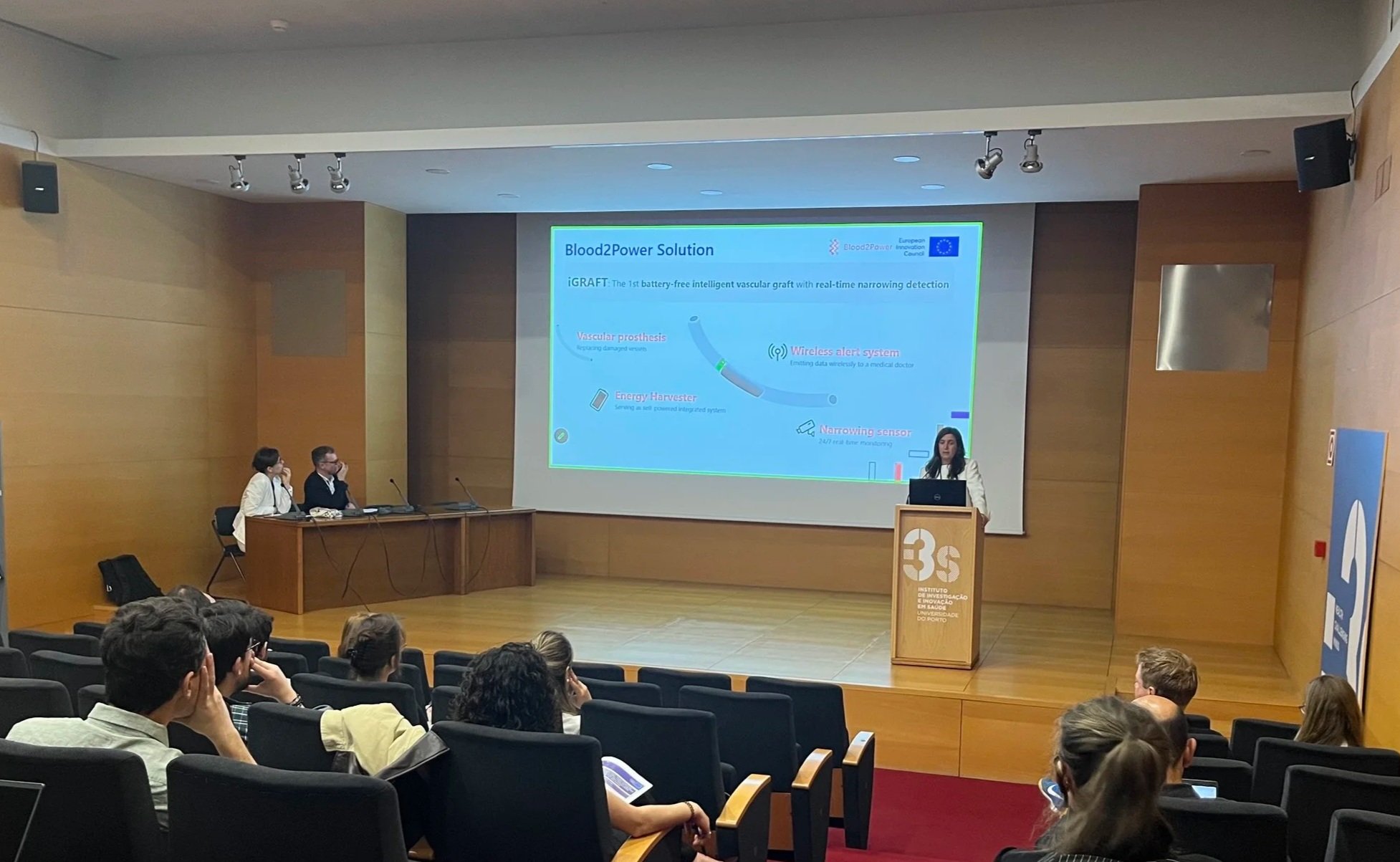
Inês Castro Gonçalves, coordinator of Blood2Power)
Looking ahead
The second day of the meeting focused on portfolio governance and strategic planning. Working groups presented progress achieved over the past year and discussed priorities for the months ahead. Participants also explored future funding opportunities, including the EIC Transition, as well as potential collective outputs that could help shape European research, regulatory, and policy agendas in emerging healthcare fields.
The meeting concluded with a shared commitment to strengthen collaboration across projects, continue engagement with industry and regulators, and further position the Healthcare Continuum Portfolio as a driver of innovation in Europe’s health ecosystem.
The consortium extends its sincere thanks to all participants, speakers, organisers, and hosts at i3S for contributing to the event's success. The energy, expertise, and collaborative spirit demonstrated throughout the two days reaffirmed the portfolio’s ambition to advance transformative healthcare technologies that can improve lives across Europe and beyond.
As the portfolio moves forward, the connections and ideas generated in Porto will continue to shape joint activities, future collaborations, and the development of innovative solutions for tomorrow's healthcare systems.
